
When Do Gallstones Become Dangerous? Warning Signs You Should Never Ignore
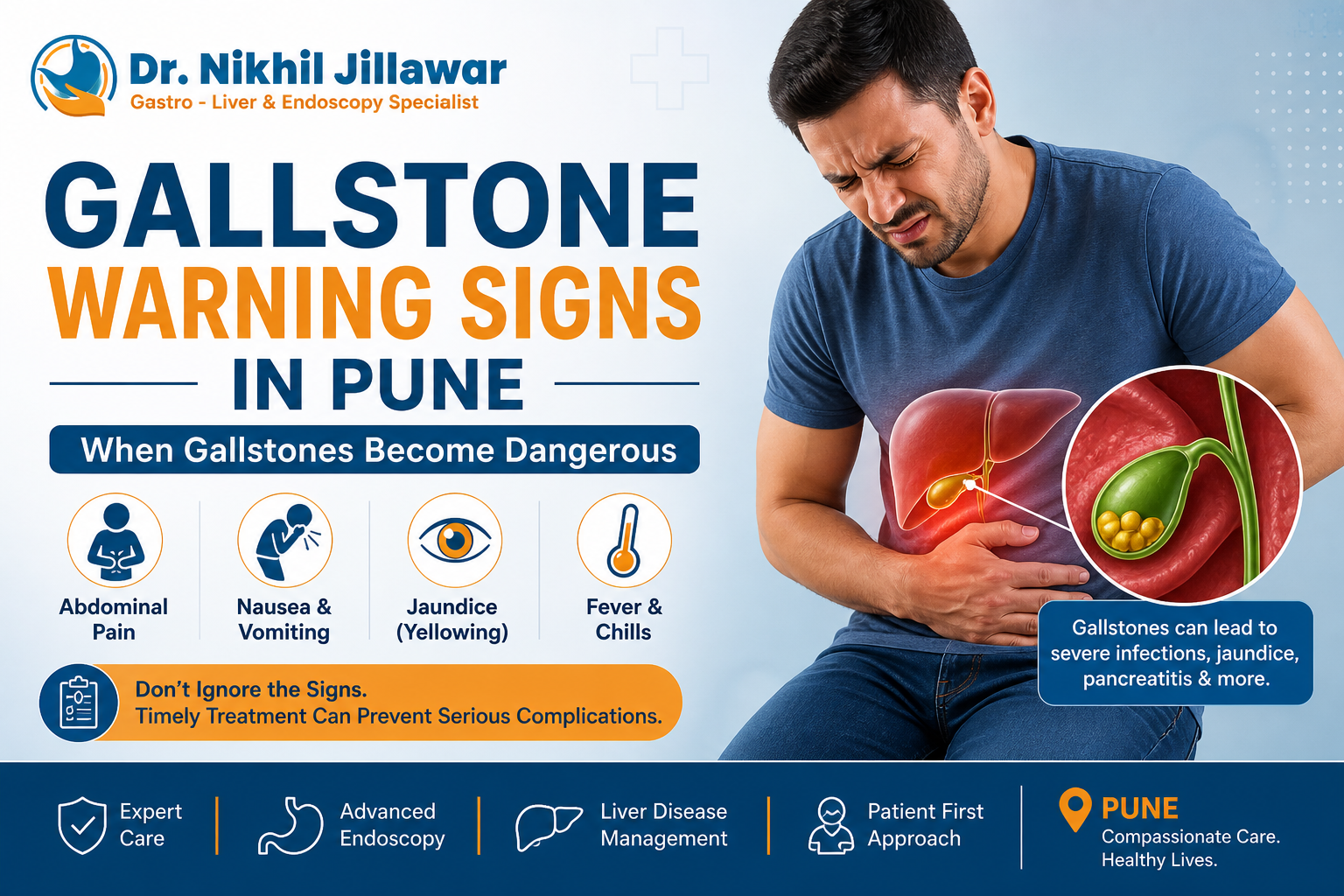
Gallstones are a common digestive problem affecting many people today. While some gallstones may not cause symptoms initially, others can lead to severe pain and serious complications if ignored. Understanding the important gallstone warning signs in Pune can help patients seek timely treatment and avoid major health risks.
Gallstones are hardened deposits that form inside the gallbladder, a small organ located below the liver. They can vary in size and may block the normal flow of bile, leading to inflammation and pain.
Common Symptoms of Gallstones
Many people may not realize they have gallstones until symptoms become severe. Some common warning signs include:
- Sudden pain in the upper right abdomen
- Pain after eating oily or heavy meals
- Nausea and vomiting
- Indigestion and bloating
- Pain radiating to the back or shoulder
- Fever with abdominal pain
- Yellowing of the skin or eyes (jaundice)
If you notice these gallstone warning signs in Pune, it is important to consult a gastro or GI surgeon for proper diagnosis and treatment.
When Do Gallstones Become Dangerous?
Gallstones become dangerous when they block the bile ducts or cause infection and inflammation. Delaying treatment may lead to serious complications that require emergency medical care.
Gallbladder Infection
Blocked gallstones can cause inflammation of the gallbladder, known as cholecystitis. This condition often leads to severe abdominal pain, fever, and vomiting.
Jaundice
Gallstones may block the bile duct, causing bile to accumulate in the body. This can result in yellowing of the eyes and skin.
Pancreatitis
In some cases, gallstones can block the pancreatic duct and trigger pancreatitis, which is a painful and potentially serious condition.
Severe Digestive Problems
Persistent gallstones can interfere with digestion and affect overall digestive health if left untreated for a long time.
Risk Factors for Gallstones
Several factors increase the risk of developing gallstones, including:
- Obesity
- High-fat diet
- Rapid weight loss
- Diabetes
- Family history
- Age above 40
- Sedentary lifestyle
Due to changing food habits and lifestyle patterns, gallbladder problems are becoming increasingly common among patients seeking digestive care in Pune.
Diagnosis and Treatment
Doctors usually diagnose gallstones using ultrasound scans and other imaging tests. The treatment depends on the severity of symptoms and complications.
Medications
In mild cases, medicines may help manage symptoms temporarily.
Laparoscopic Gallbladder Surgery
For symptomatic gallstones, laparoscopic gallbladder surgery is considered one of the safest and most effective treatments. This minimally invasive procedure involves smaller cuts, less pain, and faster recovery.
Many patients prefer laparoscopic treatment because they can resume normal activities relatively quickly after surgery.
Importance of Early Treatment
Ignoring gallstone symptoms can increase the risk of complications and emergency hospitalization. Early diagnosis and treatment help prevent severe infections and long-term digestive problems.
If you experience persistent abdominal pain, indigestion, or other gallstone warning signs in Pune, consulting an experienced GI and laparoscopic surgeon is highly recommended. Contact Dr Nikhil Jillawar at Sri Gastro Clinic Pune.
Timely medical care can help patients recover faster and maintain better digestive health.