
Changes in Bowel Habits: When It’s Normal and When It Could Signal a Serious Problem
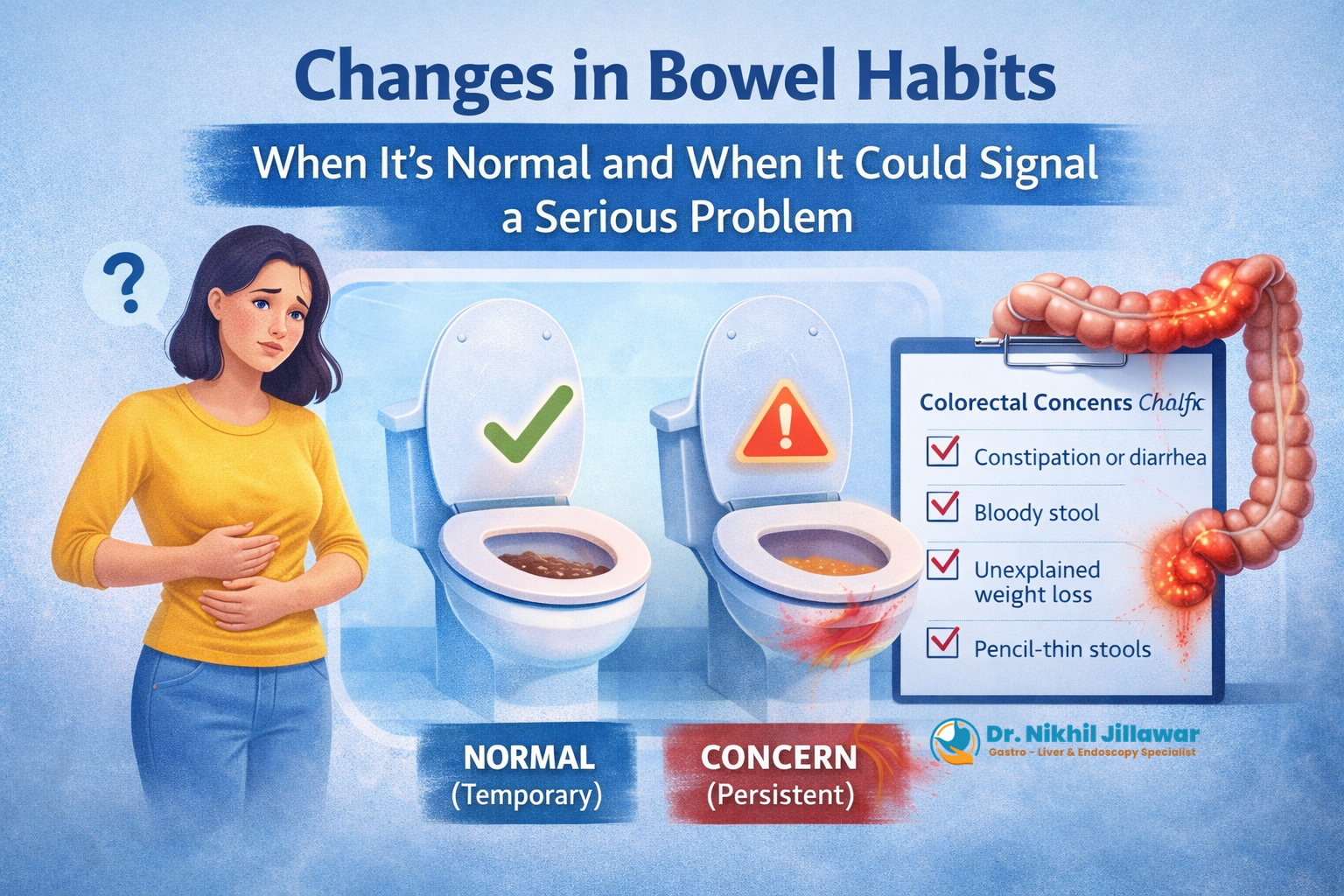
Changes in bowel habits are common and often temporary. However, in some cases, they may indicate an underlying digestive or colorectal condition. Understanding Changes in Bowel Habits is important because early detection of serious problems can lead to better treatment outcomes. While occasional changes may not be a cause for concern, persistent or unusual symptoms should not be ignored.
Moreover, bowel habits can vary from person to person. Therefore, knowing what is normal for your body helps you recognize when something is wrong. Recognizing Changes in Bowel Habits early can help prevent complications and ensure timely medical care.
Changes in Bowel Habits: What Is Considered Normal?
Bowel habits include the frequency, consistency, and ease of passing stool. For some people, passing stool once a day is normal, while others may go more or less frequently. In addition, factors such as diet, hydration, and lifestyle can influence bowel patterns.
Temporary changes may occur due to stress, travel, or dietary changes. However, these usually resolve on their own. Therefore, short-term variations are generally not a cause for concern.
When Changes in Bowel Habits May Be a Warning Sign
Persistent Changes in Bowel Habits can indicate an underlying condition that requires medical attention. Some warning signs include:
- Ongoing constipation or diarrhea
- Blood in the stool
- Sudden change in stool frequency
- Narrow or pencil-thin stools
- Feeling of incomplete bowel movement
- Unexplained weight loss
In addition, symptoms that last for more than a few weeks should not be ignored. Therefore, early consultation is important to identify the cause.
Common Causes of Bowel Habit Changes
Several conditions can lead to Changes in Bowel Habits. These include:
1. Dietary Changes
Low fiber intake or dehydration can cause constipation. On the other hand, certain foods may trigger diarrhea.
2. Infections
Bacterial or viral infections can temporarily disrupt bowel function. However, persistent infections may require treatment.
3. Irritable Bowel Syndrome (IBS)
IBS is a common condition that causes alternating constipation and diarrhea along with abdominal discomfort.
4. Colorectal Conditions
Polyps, inflammation, or colorectal cancer can also lead to changes in bowel habits. Therefore, it is important to rule out serious causes.
Importance of Early Diagnosis
Ignoring persistent Changes in Bowel Habits can delay diagnosis of serious conditions. Early detection allows doctors to begin treatment at the right time. Moreover, conditions like colorectal cancer can be treated more effectively when diagnosed early.
Doctors may recommend tests such as colonoscopy, stool analysis, or imaging to identify the cause.
When Should You See a Specialist?
You should consult a specialist if:
- Symptoms persist for more than 2–3 weeks
- You notice blood in stool
- You experience severe abdominal pain
- There is unexplained weight loss
Additionally, individuals above 40 years or with a family history of colorectal disease should undergo regular screening.
Take Charge of Your Digestive Health
Understanding Changes in Bowel Habits helps you stay aware of your body and take timely action. Maintaining a healthy diet, staying hydrated, and regular checkups can support digestive health.
Expert Care at Gastro Liver Care Pune
If you are experiencing persistent bowel changes or digestive discomfort, consult a specialist without delay. At Gastro Liver Care Pune, Dr. Nikhil Jillawar provides expert diagnosis and advanced treatment for colorectal and digestive conditions. Early evaluation can help prevent serious complications and improve your overall health.