
Can You Have Serious Digestive Disease Without Symptoms? When Screening Is Important
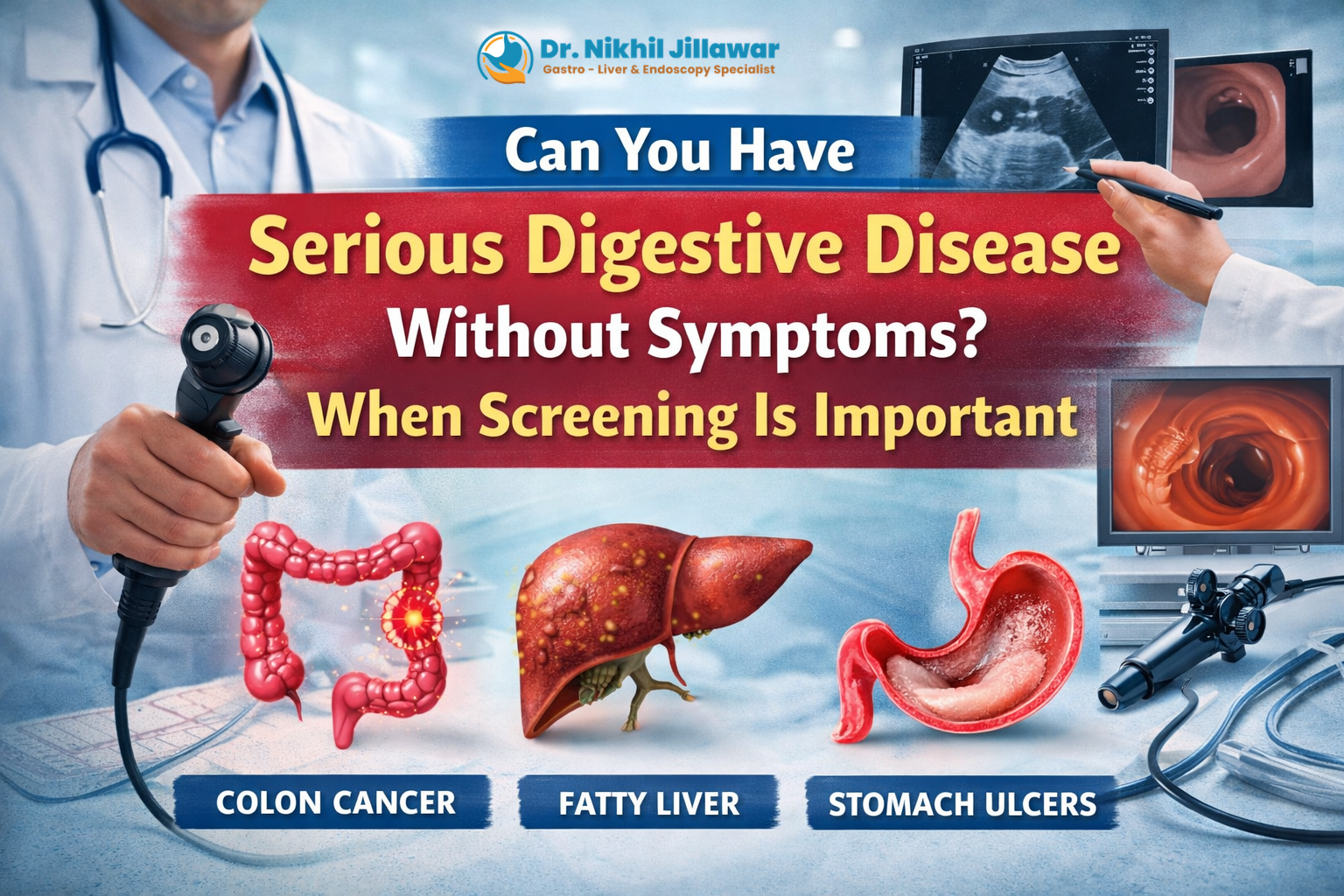
Many people believe that digestive diseases always show clear symptoms like pain, bloating, or discomfort. However, this is not always true. In fact, Digestive Diseases Without Symptoms are more common than people think. Some serious conditions can develop silently and remain undetected until they reach an advanced stage. Therefore, understanding the risk of Digestive Diseases Without Symptoms is essential for early diagnosis and timely treatment.
Moreover, relying only on symptoms can delay medical care. As a result, regular screening becomes very important, especially for individuals with risk factors.
Digestive Diseases Without Symptoms: What You Should Know
Several digestive conditions can develop without noticeable symptoms. For example, early-stage colon cancer, fatty liver disease, and certain stomach ulcers may not cause pain or discomfort initially. However, these conditions can worsen over time if left untreated.
In addition, many patients feel completely healthy while the disease progresses silently. Therefore, doctors strongly recommend screening tests to detect Digestive Diseases Without Symptoms before complications arise.
Common Silent Digestive Conditions
Understanding which conditions may remain silent can help you stay alert. Some common examples include:
1. Colon Cancer
In early stages, colon cancer may not show symptoms. However, screening through colonoscopy can detect it early and improve treatment outcomes.
2. Fatty Liver Disease
Fatty liver often develops without pain. Over time, it can lead to liver damage if not managed properly.
3. Stomach Ulcers
Some ulcers may not cause noticeable symptoms initially. However, they can lead to complications like bleeding if untreated.
4. Polyps in the Colon
Polyps are small growths that may not cause symptoms. However, some can turn cancerous if not removed early.
Why Screening Is Important
Screening plays a key role in detecting Digestive Diseases Without Symptoms. It helps identify problems before they become serious. Moreover, early detection allows doctors to start treatment at the right time.
Common screening tests include:
- Endoscopy for stomach and upper digestive tract
- Colonoscopy for colon health
- Ultrasound and blood tests for liver conditions
As a result, these tests can prevent serious complications and improve long-term health.
Who Should Get Screened?
Not everyone needs frequent screening, but certain individuals are at higher risk. You should consider screening if:
- You are above 40 years of age
- You have a family history of digestive diseases
- You experience long-term acidity or digestive issues
- You have obesity or lifestyle-related risk factors
Additionally, people with unhealthy diets or sedentary lifestyles should also consider regular checkups.
When Should You See a Specialist?
Even without symptoms, it is important to consult a specialist if you fall into a high-risk group. Moreover, regular health checkups can help detect problems early.
If you notice mild but persistent changes like fatigue, unexplained weight loss, or appetite changes, you should not ignore them.
Take Preventive Action for Better Digestive Health
Understanding Digestive Diseases Without Symptoms helps you take control of your health. Instead of waiting for symptoms, you should focus on prevention and early detection. Regular screening, a healthy diet, and an active lifestyle can significantly reduce your risk.
Expert Care at Gastro Liver Care Pune
If you are concerned about silent digestive conditions, consult a specialist for proper evaluation. At Gastro Liver Care Pune, Dr. Nikhil Jillawar provides advanced screening, diagnosis, and treatment for digestive and liver diseases. With modern techniques and personalized care, early detection becomes easier and more effective.
Timely screening can help prevent serious complications and ensure long-term digestive health.