
IBS vs IBD: Understanding the Difference in Gut Disorders
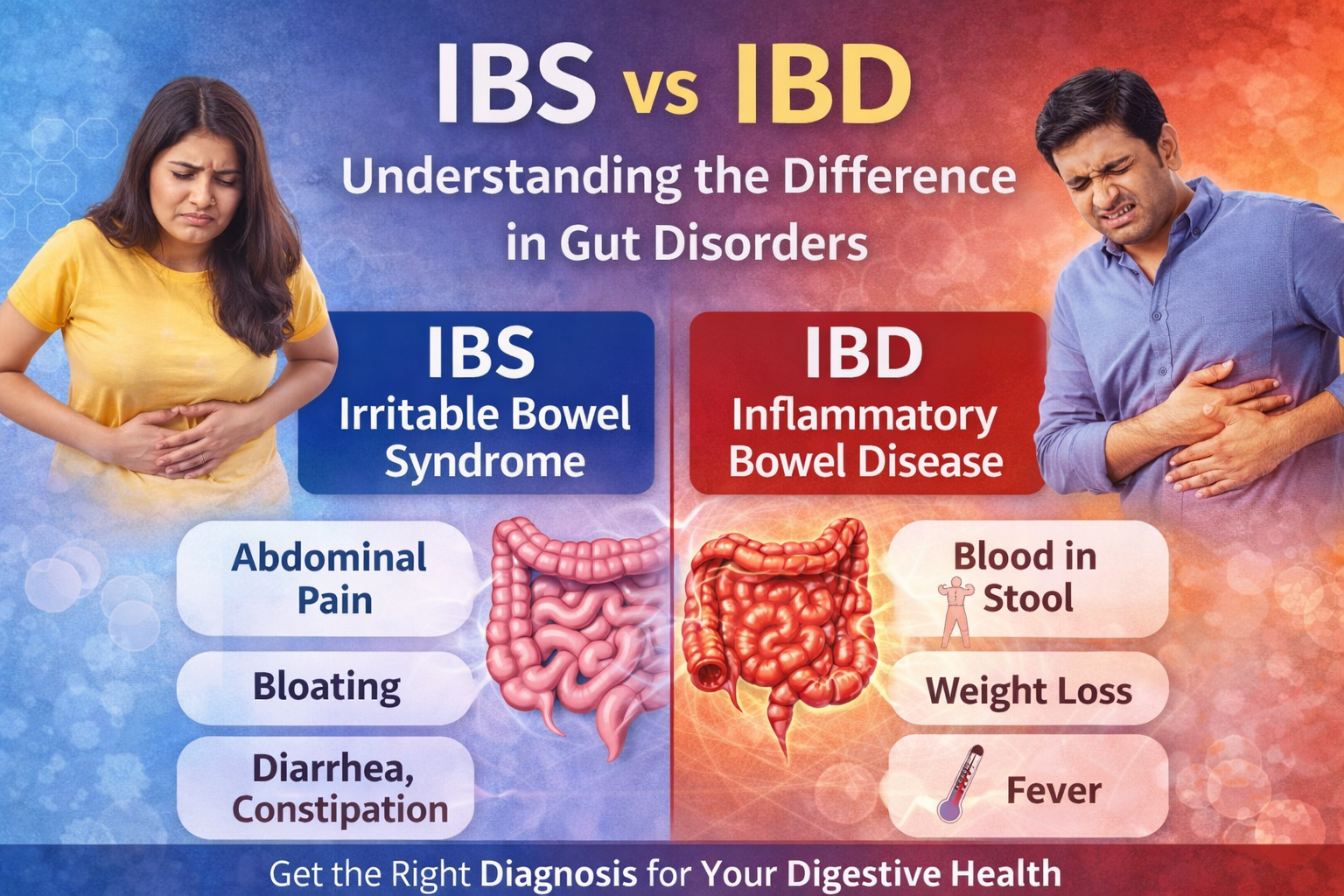
Digestive disorders are increasingly common due to modern lifestyle habits, stress, and dietary patterns. Among the most frequently confused conditions are Irritable Bowel Syndrome (IBS) and Inflammatory Bowel Disease (IBD). While both affect the intestines and share similar symptoms, they are very different in cause, severity, and treatment. Understanding IBS vs IBD is essential for timely diagnosis and proper medical care.
What Is IBS (Irritable Bowel Syndrome)?
IBS is a functional gastrointestinal disorder, meaning it affects how the gut works rather than causing structural damage. It is a chronic condition but does not lead to inflammation, ulcers, or permanent intestinal injury.
Common IBS Symptoms:
- Abdominal pain or cramps
- Bloating
- Gas
- Diarrhea, constipation, or both
- Mucus in stool
Symptoms often worsen with stress, certain foods, or hormonal changes.
What Is IBD (Inflammatory Bowel Disease)?
IBD is an autoimmune inflammatory condition that causes chronic inflammation and damage in the digestive tract. It is more serious than IBS and may lead to complications if untreated.
Main Types of IBD:
- Crohn’s Disease – Can affect any part of the GI tract
- Ulcerative Colitis – Affects the colon and rectum
Common IBD Symptoms:
- Persistent diarrhea
- Blood in stool
- Severe abdominal pain
- Weight loss
- Fatigue
- Fever
Unlike IBS, IBD causes visible inflammation and ulceration in the intestines.
Key Differences: IBS vs IBD
| Factor | IBS | IBD |
|---|---|---|
| Nature | Functional disorder | Inflammatory disease |
| Intestinal Damage | No | Yes |
| Severity | Mild–Moderate | Moderate–Severe |
| Blood in Stool | Rare | Common |
| Weight Loss | Rare | Common |
| Cancer Risk | No | Increased risk |
| Diagnosis Tests | Symptom-based | Endoscopy, biopsy |
Understanding these differences helps patients seek the right treatment early.
Causes & Risk Factors
IBS Causes:
- Stress & anxiety
- Gut-brain interaction issues
- Food intolerance
- Hormonal changes
IBD Causes:
- Autoimmune response
- Genetic predisposition
- Environmental triggers
- Immune system dysfunction
Diagnosis & Tests
Accurate diagnosis is crucial when evaluating IBS vs IBD.
Common diagnostic tools include:
- Blood tests
- Stool analysis
- Colonoscopy
- Endoscopy
- CT/MRI scans
- Biopsy (for IBD confirmation)
These tests help rule out serious inflammation and structural disease.
Treatment Approaches
IBS Treatment:
- Dietary changes (Low FODMAP diet)
- Stress management
- Fiber supplements
- Antispasmodic medications
- Probiotics
IBD Treatment:
- Anti-inflammatory drugs
- Immunosuppressants
- Biologic therapy
- Steroids
- Surgery (advanced cases)
Early treatment prevents complications like strictures or colon cancer.
When Should You See a Gastroenterologist?
Seek medical care if you experience:
- Blood in stool
- Persistent diarrhea
- Severe abdominal pain
- Sudden weight loss
- Ongoing digestive distress
Early evaluation ensures accurate diagnosis between IBS vs IBD.
Get Expert Diagnosis for Gut Disorders
Confused about ongoing digestive symptoms? Proper diagnosis is key to effective treatment.
Consult Dr. Nikhil Jillawar, a specialist in gastroenterology and advanced digestive care. With modern diagnostic tools like colonoscopy and endoscopy, you receive precise evaluation and personalized treatment for IBS, IBD, and other gut disorders.
👉 Book your consultation today
👉 Get advanced gut health screening
👉 Start your journey toward better digestive wellness
Don’t ignore chronic gut symptoms — schedule your appointment with Dr. Nikhil Jillawar today.